AI-powered prediction before ignition.
Not reaction after.
By the time we detect a wildfire, it's already too late. Current systems are reactive — they track fires after ignition. Communities need prediction, not just observation.
Annual U.S. wildfire damages — and climbing every year
CO₂ released by wildfires in 2021 alone
Americans exposed to wildfire smoke health impacts annually
The problem isn't data scarcity — it's data fragmentation. Fire agencies, satellite feeds, weather stations, and sensor networks operate in silos. By the time information is correlated, the fire has spread.
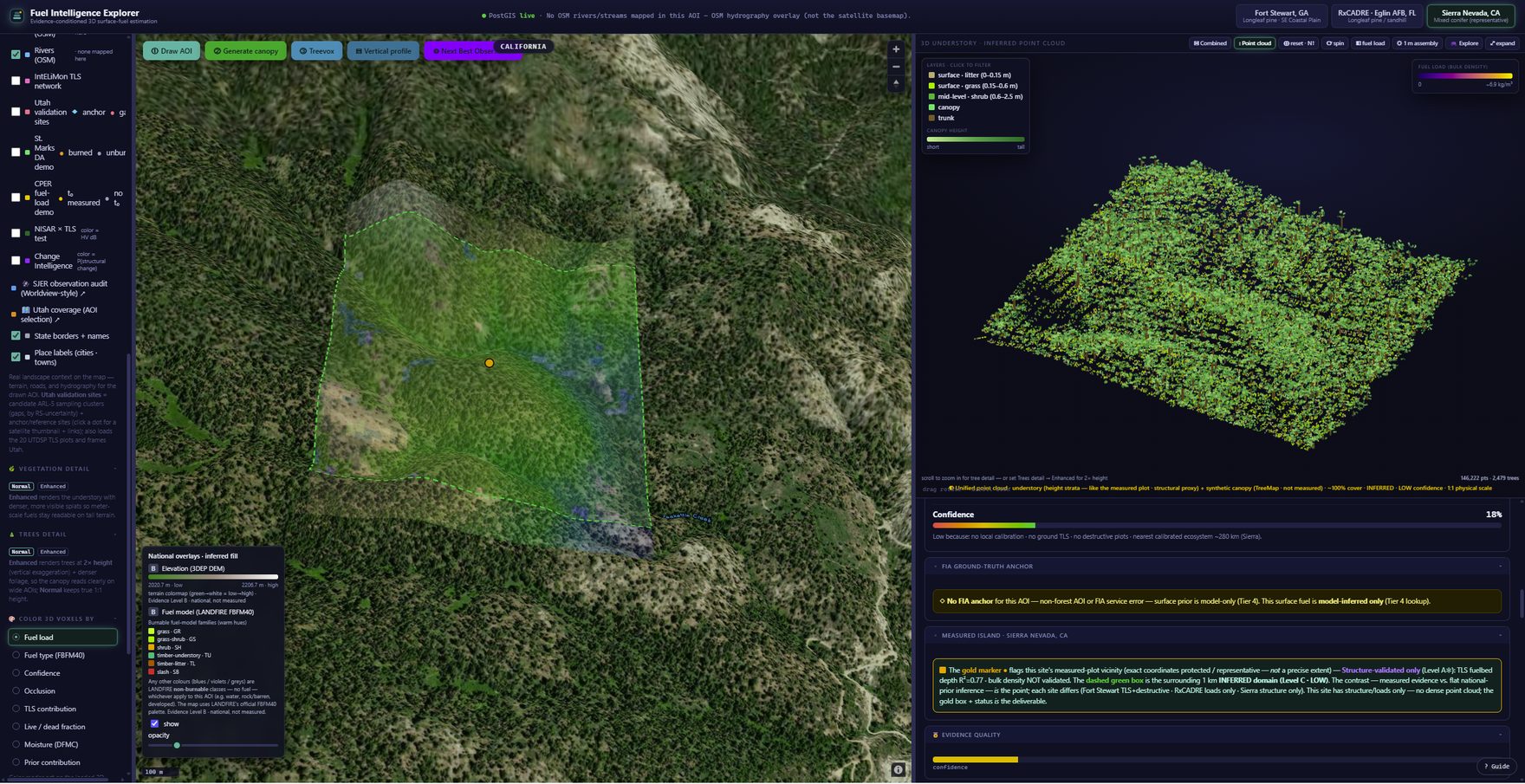
ClimaIQ unifies 26 data sources into a single intelligence layer — transforming scattered signals into actionable foresight.
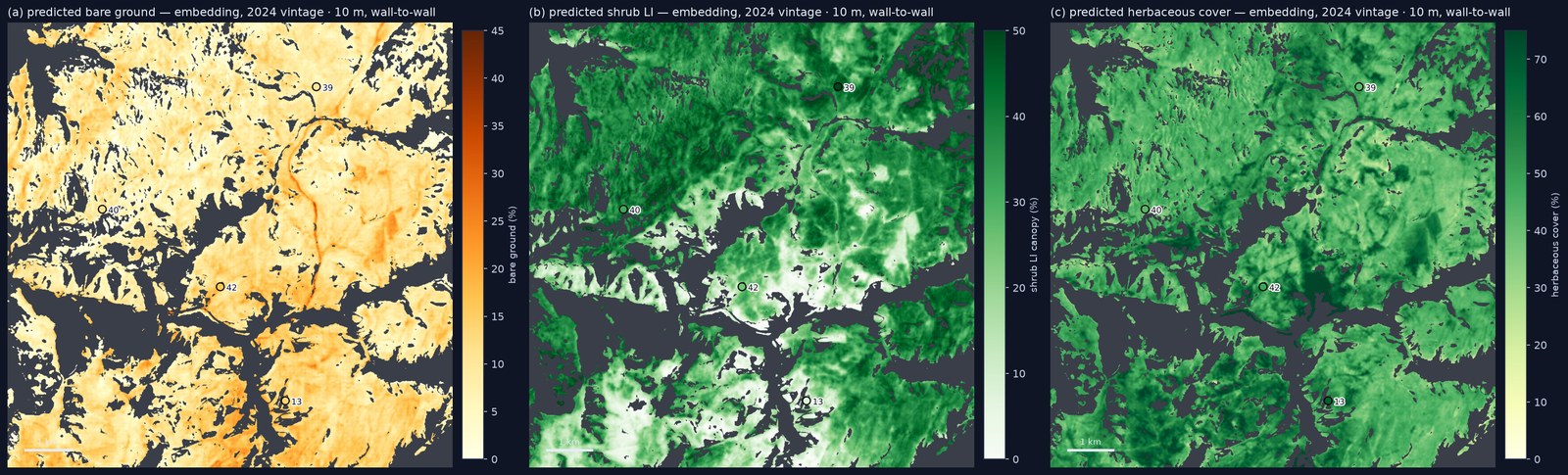
7-day fire risk forecasts powered by ensemble ML — CNN, LSTM, Random Forest, and physics-informed models working together.
Sub-30-second satellite fire detection using multi-spectral CNN analysis across 7 spectral channels simultaneously.
Real-time unified command intelligence — every fire agency, sensor, and satellite feed in one operational dashboard.
Four specialized models converge through a meta-learner — combining satellite imagery, temporal patterns, environmental features, and physics simulations.
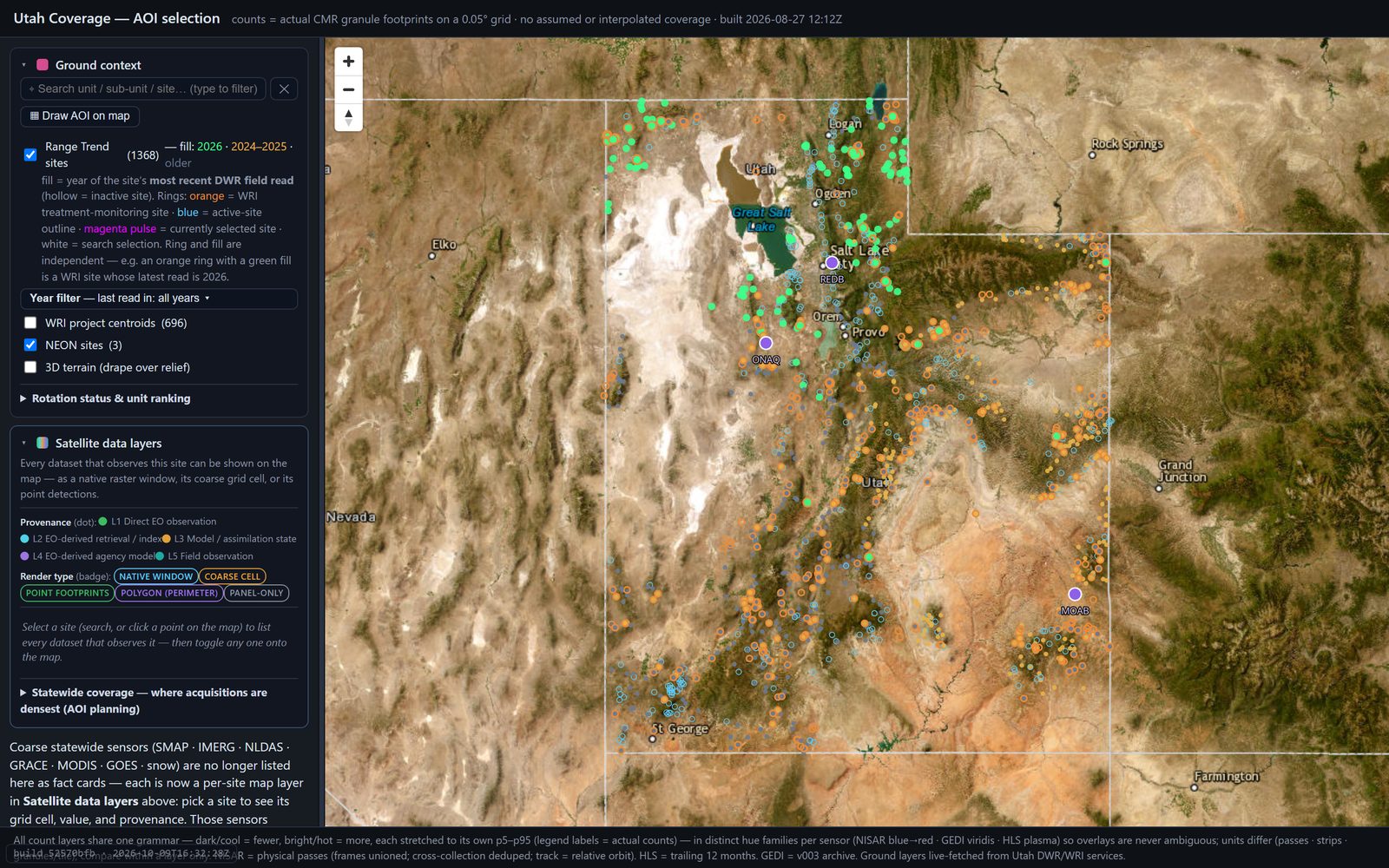
5 batch + 8 real-time + 13 streaming connectors — unified into a single intelligence layer.
"Every acre that doesn't burn is carbon that stays stored."
Founder & Lead Engineer
Ph.D. Atmospheric Science — University of Utah
Domain expertise in atmospheric science meets full-stack engineering. Every line of code is informed by the physics of fire behavior, atmospheric dynamics, and the operational reality of emergency response.
MesoWest — the backbone of U.S. weather data — sunsets December 2026. ClimaIQ is ready to fill the gap with something far more powerful.